Thirteen-year-old Taslima lives with her mother and grandmother in a small house near a factory in Keraniganj. Like other children, she dreams of going to school, of holding a pencil instead of scissors. But poverty forced her to start working in a local factory when she was just twelve. Her days begin inside a dimly lit room where noise, dust and exhaustion define her world.
Taslima works under a two-year contract. The master she reports to constantly uses abusive language and rarely calls her by name. She endures not only the fatigue of long hours but also the humiliation and unwanted touches that rob her of dignity. Once, she left the job, hoping to escape the misery, but hunger soon forced her back. Her mother’s resigned words echo painfully: “Poor people should not have dreams. To survive, we must work.”
Taslima’s struggle reflects the wider reality of Keraniganj, a major hub for Bangladesh’s local ready-made garment sector, where a large number of children are trapped in labour. Most come from rural districts, living in hazardous, filthy and exploitative conditions, often sleeping inside the same factories where they work. Every neatly stitched garment hides a silent story of hardship, endurance and lost childhood.
Despite notable progress, child labour remains a pressing issue in Bangladesh. According to the ILO and UNICEF Global Estimates 2024, hazardous child labour decreased from 3.2% in 2013 to 2.7% in 2022, around 1.07 million children. However, the overall proportion of working children aged 5–17 rose slightly from 8.7% to 8.9%, indicating a stagnation in progress.
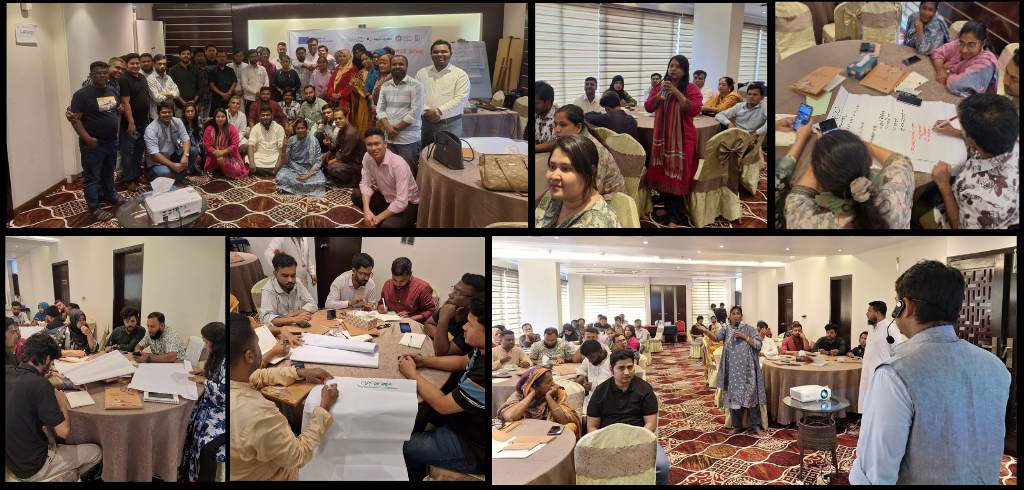
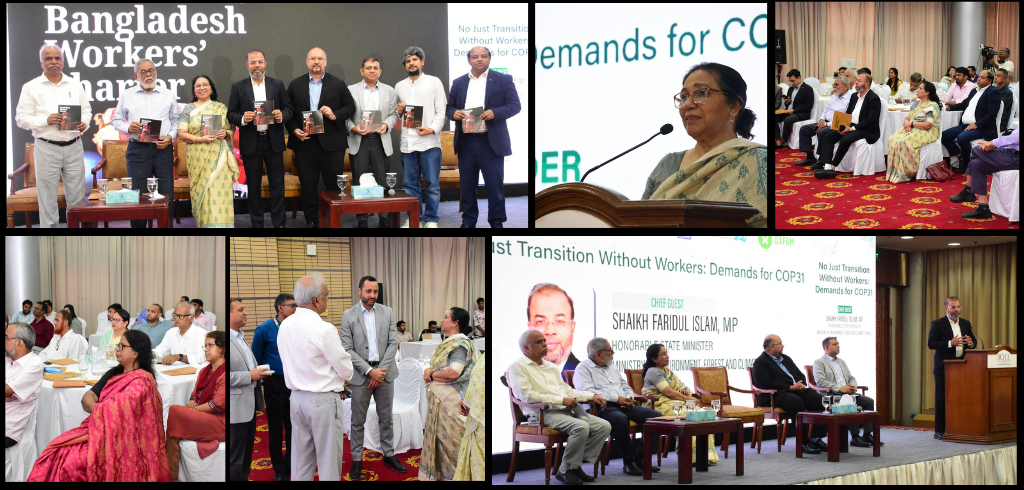
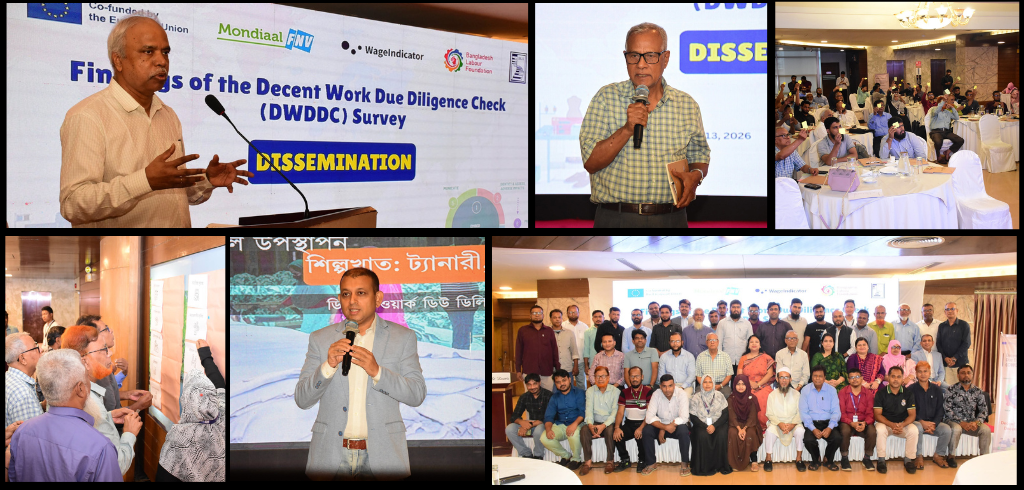
Bangladesh Labour Foundation (BLF) continues to work relentlessly to eliminate child labour in both policy and practice. In Keraniganj alone, only 1,752 out of 7,246 factories have been declared child labour-free and just 513 have pledged not to hire children. While the government has officially banned 43 types of hazardous work for anyone under 18aligned with ILO Conventions No. 138 and 182; implementation remains weak. From the congested garment workshops of Keraniganj to national advocacy platforms, BLF is driving change through awareness, monitoring and collective action.
We call on governments, partners, and industries to act decisively.
Say no to child labour. Say yes to accountability.