World Environment Day Roundtable Calls for Worker-Centred Climate Action
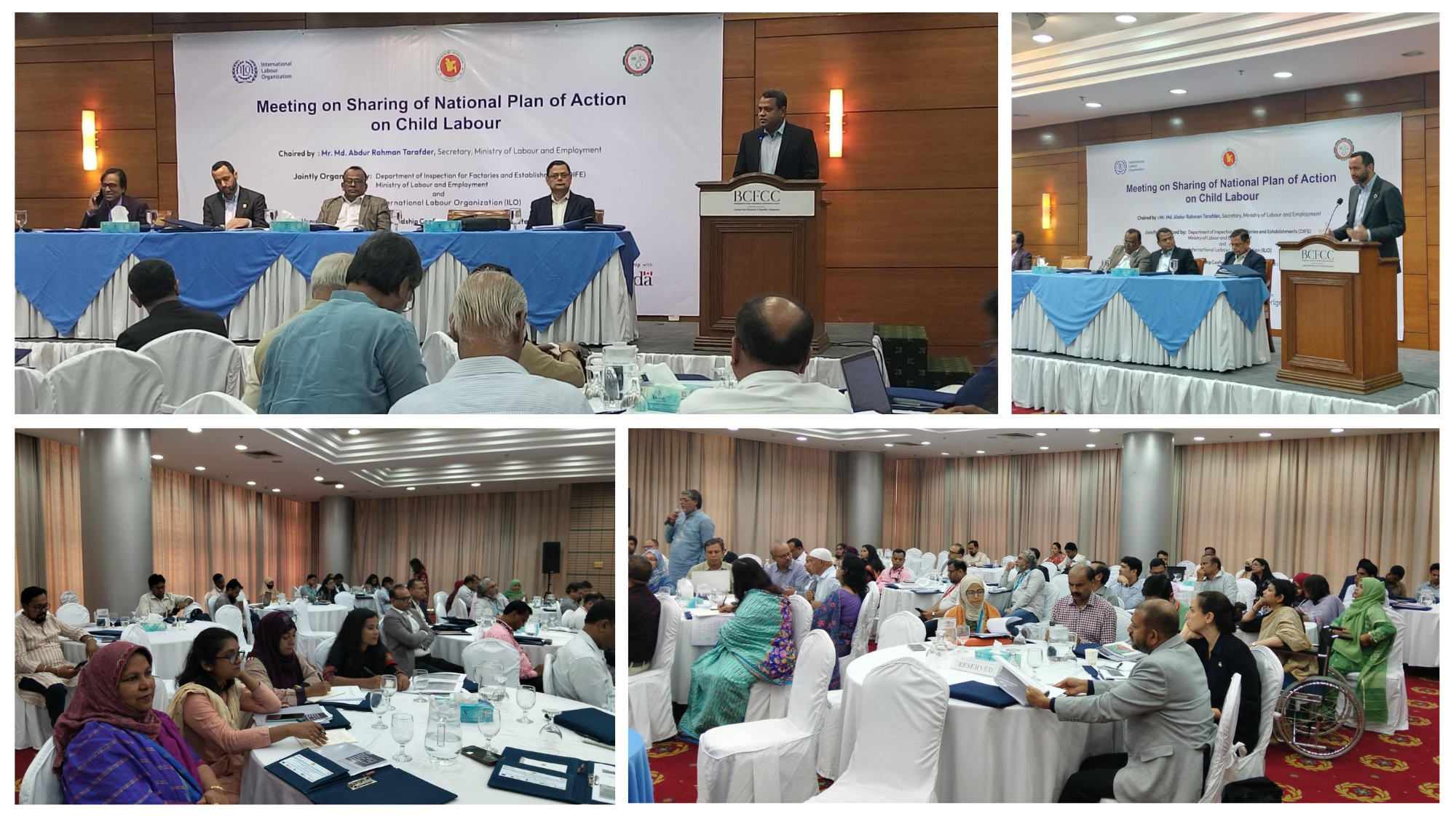
On World Environment Day 2026, Bangladesh Labour Foundation (BLF), together with NAJTB and the SMEP Program, organized a roundtable discussion
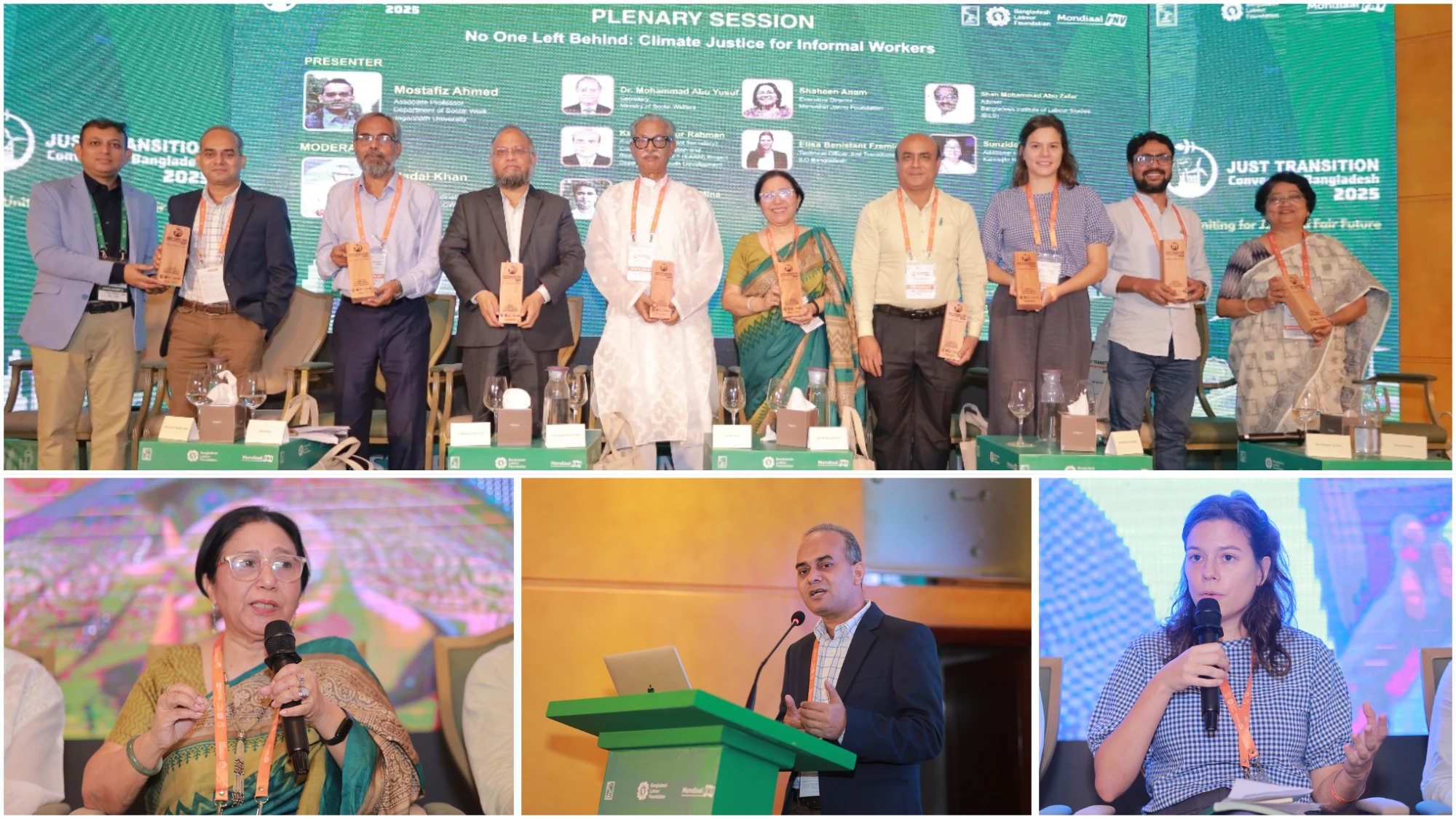
Plenary session on No One Left Behind: Climate Justice for Informal Workers was moderated by Badal Khan (Member,NCCWE), and featured a keynote presentation by Mostafiz Ahmed, Associate Professor, Jagannath University, Bangladesh. Panelists included Sekandar Ali Mina (Safety and Rights Society, SRS), Elisa Benistant Fremigacci (Technical Officer, ILO Bangladesh), Sunzida Sultana (Additional Executive Director, Karmojibi Nari), Kazi Mokhlesur Rahman (Project Director, EARN Project, Department of Youth Development), Shaheen Anam (Executive Director, Manusher Jonno Foundation), Shah MD Abu Zafar (Adviser, Bangladesh Institute of Labour Studies, BILS), and Dr. Md. Abu Yusuf (Secretary, Ministry of Social Welfare).
The discussion highlighted the vulnerabilities of informal sector workers who make up around 85% of Bangladesh’s workforce under climate change and technological shifts. Emphasis was placed on the need for representation, reskilling, social protection, and inclusive policies, ensuring that women, youth, and marginalized communities are actively included in climate-resilient and Just Transition strategies. The session underscored that meaningful collaboration between government, development partners, trade unions, and civil society is essential so that no worker is left behind in Bangladesh’s transition toward a sustainable and equitable future.

On World Environment Day 2026, Bangladesh Labour Foundation (BLF), together with NAJTB and the SMEP Program, organized a roundtable discussion

The First Workers’ Just Transition Focal Point Meeting was held at Bangladesh Labour Foundation (BLF), bringing together representatives from trade

A Joint Memorandum of Understanding (MoU) was signed between the Bangladesh Labour Foundation (BLF) and the IndustriALL Bangladesh Council (IBC)

Bangladesh Labour Foundation (BLF), in partnership with Mondiaal FNV, WageIndicator Foundation, and Bangladesh Institute of Labour Studies (BILS), and with